
A one-day patient journey immersion for health system leaders.
Your patients’ path doesn’t end at the exam room door. For one day, neither does yours.
Walk the Gap
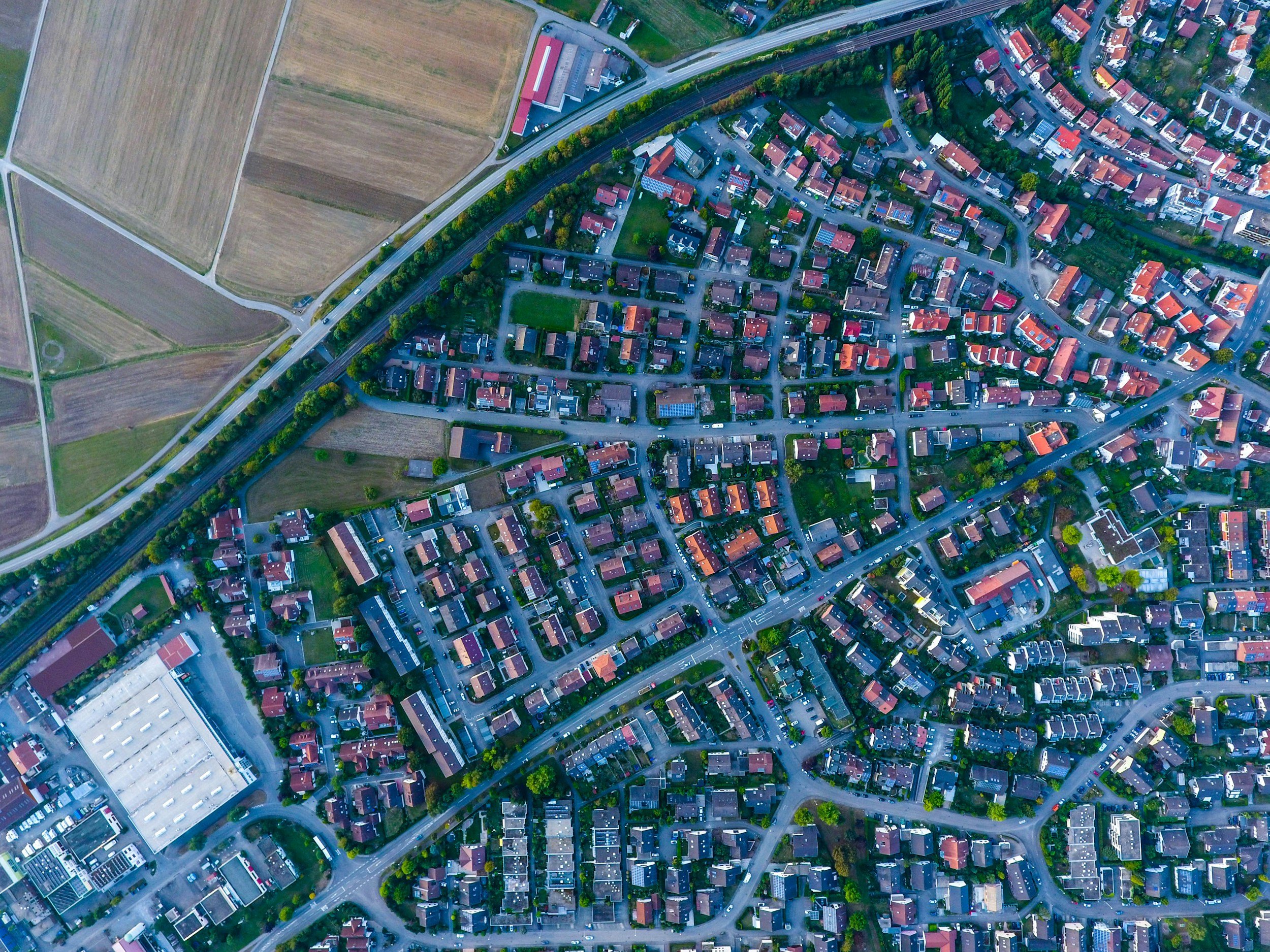
On a site visit in Pierce County, Washington, a public health director stopped her car to show me a sidewalk. It ran alongside the street, and then it stopped. Not as an intersection. At an income line. On the far side, a mother with a stroller had two choices to reach the bus: cross a high-speed road with no crosswalk, or push her baby along the dusty, rocky shoulder.
That’s the gap. It never appears in a strategic plan, a referral dashboard, or a board report. Leaders who never walk it keep designing around it.
A one-day, in-person immersion. Your leaders follow the real path a patient takes after diagnosis: clinic to pharmacy, pharmacy to bus stop, bus stop to the community organization you refer to, and home. Community partners and people with lived experience guide the day as paid experts. In the afternoon, we turn what you saw into decisions.
What Walk the Gap Is
FAQs
-
We recommend 6 to 12 leaders, plus community partners and patient guides.
-
Patient guides take part by choice, are paid for their time, and share only what they choose. No protected health information is used.
-
Yes. The point is to experience the path, not to hear about it.
-
Each immersion is scoped to your organization, route, and group size. We'll give you a clear proposal after a scoping call.
How the Day Works
Before the day (2 to 3 weeks): We review your patient journey data and interview key community partners. Then we design a route through your own service area.
Morning, the walk: Small groups travel the route, visit community partners, and hear directly from patients and caregivers.
Afternoon, the work: A facilitated working session: where did the system break, who owns each gap, and what can change first?
After the day: A written gap map, 3 priorities with owners, and a recommended 90-day next step.
Who It’s For
Health system and cancer center executive teams
Boards and board committees on quality, equity, or community benefit
Community benefit and population health leaders
Cancer center community outreach and engagement teams
Supportive oncology and navigation leaders
Where It Fits Your Work
Community health needs assessment: Nonprofit hospitals must complete one every 3 years, with input from underserved residents, plus a written implementation strategy. Walk the Gap puts leaders in front of that input and turns it into a plan.
NCI-designated cancer centers: Community outreach and engagement across your catchment area is part of how your center is evaluated. This is engagement that leads to action.
Navigation and value-based care: See exactly where patients fall out of care before you invest in the fix.
Board education: Nothing makes the case for integration like seeing the gap firsthand.
What You Leave It
A shared picture of where your system breaks, seen firsthand rather than read in a report
A gap map of your community's real patient path
3 priorities, each with a named owner
A clear next step, often the Community Integration Blueprint™
Why Remedy & Root
Most patient journey maps are built in a conference room. This one is built on the sidewalk. Tracy Steffek has spent nearly two decades designing systems across county government, national organizations, and community coalitions, and she has been the cancer patient trying to get through them. She knows both what the system intends and what patients actually experience.